Do You Really Need a Tooth Extraction? Here’s How to Know
Tooth extraction is not something most people look forward to, but in some situations, it becomes the safest and most effective way to protect your oral health. The goal is always to save your natural teeth through the latest restorative treatments. However, when a tooth is severely damaged, infected or causing complications-especially in the case of wisdom teeth-removing it may be the best choice. Understanding when extraction is necessary can help you make confident and informed decisions about your dental care.
What Is a Tooth Extraction?
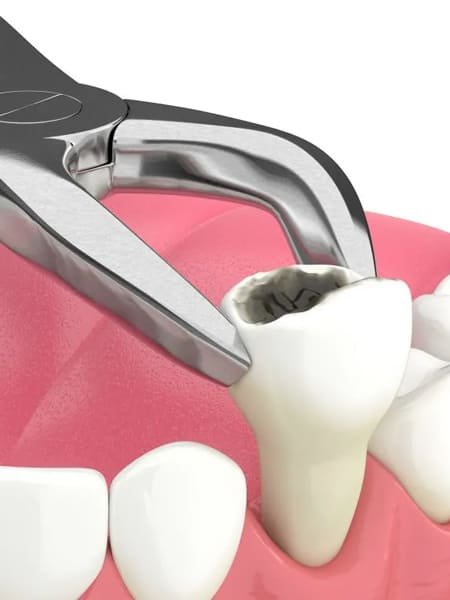
A tooth extraction is a procedure where a dentist removes a tooth from its socket. This is done only when the tooth is beyond repair due to deep decay, severe infection, or structural damage. While preserving natural teeth is always the priority, removing a problematic tooth can sometimes be the safest option for long-term oral health. Extraction may also be needed when tooth grow incorrectly, get stuck under the gums, or cause repeated pain and swelling. Extraction may also be necessary when a tooth grows improperly, remains stuck under the gums, or repeatedly causes pain and swelling.
Warning Signs That a Tooth May Need Extraction
- Persistent tooth pain that lasts for several days
- Swelling, redness, or pus near the tooth
- Difficulty chewing or biting due to discomfort
- Tooth feeling loose or overly sensitive to pressure
- Pain spreading to the jaw, ear, or side of the head
- The tooth is severely decayed and non-restorable

When Extraction Becomes the Best Solution
In certain situations, keeping a damaged or problematic tooth can create more harm than good, making extraction the safest choice. Extraction becomes necessary when an infection begins to spread toward nearby teeth or the jawbone, risking more serious complications. It is also recommended when tooth push against neighbouring teeth, remain trapped under the gums, or cause recurring discomfort. Overcrowding can interfere with proper alignment, and in some orthodontic cases, removing a tooth is essential to create enough space for the teeth to move into their correct positions. When a tooth causes repeated infections, swelling, or ongoing pain, removing it helps prevent further issues. In these situations, extraction becomes the most effective way to restore comfort, maintain proper oral alignment, and protect long-term dental stability.
How Dentists Confirm Whether Extraction Is Needed
Dentists carefully examine the tooth and use digital X-rays to understand the internal structure and surrounding bone. They assess the extent of decay, infection, and overall tooth stability. The goal is always to save the tooth whenever possible, so all alternatives such as fillings, crowns, or root canal treatments are evaluated first. Extraction is recommended only when the tooth cannot be preserved safely or effectively.
What Happens During the Extraction Procedure
A tooth extraction is a quick, safe, and painless procedure. Local anesthesia fully numbs the area, ensuring complete comfort. The dentist gently loosens the tooth using advanced instruments and removes it with minimal pressure. After removal, the socket is cleaned thoroughly to reduce infection risk, and stitches may be placed to support healing based on the situation.
Aftercare Tips for Smooth Recovery
Proper care after extraction plays a crucial role in ensuring quick, safe, and comfortable healing. Here are the key steps to follow:
- Stick to soft foods for the first 24–48 hours, such as soups, curd & smoothies etc.
- Avoid smoking, alcohol, and using a straw, as these actions can dislodge the blood clot and lead to complications like dry socket.
- Take all prescribed medications on time, including painkillers and antibiotics, to manage discomfort and prevent infection.
- Apply an ice pack on the outside of the cheek in the first few hours to reduce swelling and provide soothing relief.
- Keep your mouth clean, gently brushing the other teeth while avoiding the extraction site; do not rinse forcefully for the first 24 hours to protect the healing area.
- Follow the dentist’s instructions carefully, as personalized guidance helps ensure safe, trouble-free recovery and faster healing.
Alternatives to Extraction
Whenever possible, dentists aim to save the natural tooth through:
- Root canal treatment
- Dental crowns
- Fillings or restorations
- Gum treatment
- Orthodontic solutions
However, tooth usually have no long-term restorative alternatives, as they often cause more problems than benefits.
Conclusion
Tooth extraction is sometimes necessary to protect your overall dental health, especially when a tooth is too damaged or infected to save. At Dantam Clinics, our experts ensure comfortable, safe, and gentle care for every patient. With 8 branches across Kokapet, Gachibowli, Kondapur, Tellapur/ Nallagandla, Shapur, Chintal, Alavi Chintal and Alavi IDPL help is always close to you. Visit your nearest Dantam Clinic for the right guidance and treatment for your smile.